

Applied Behavior Analysis (ABA) therapy is a well-established, research-backed approach for helping children with Autism Spectrum Disorder (ASD) develop crucial skills in communication, behavior, and daily living. ABA therapy can be provided in various settings, but in-home ABA therapy is an especially effective option for many families. In-home ABA therapy brings the therapy directly to the child’s home environment, making it more accessible, personalized, and effective for the child’s unique needs.
In this article, we will explore the key benefits of in-home ABA therapy, why it is essential for children with autism, and how it can help children and families thrive.
What is In-Home ABA Therapy?
In-home ABA therapy is a form of treatment where a trained behavior therapist, typically a Registered Behavior Technician (RBT) or Board-Certified Behavior Analyst (BCBA), provides ABA services in the child’s home. The therapy is individualized, meaning it is tailored to the child’s specific needs, goals, and environment. It involves analyzing the child’s behavior and using positive reinforcement and behavior modification strategies to increase desired behaviors and reduce problematic ones.
Unlike center-based therapy, in-home ABA therapy takes place in a familiar and comfortable environment, offering a range of benefits that are difficult to achieve in a clinical setting.
1. Personalized, One-on-One Attention
One of the primary benefits of in-home ABA therapy is the highly personalized nature of the service. In-home therapy allows the therapist to create a customized treatment plan that is specifically designed for the child. This approach ensures that the therapy is aligned with the child’s unique strengths, challenges, and learning style.
The therapist can observe the child’s behavior in a real-world setting—within the home—and tailor interventions accordingly. For example, if a child has trouble following instructions or struggles with social interactions, the therapist can target these specific behaviors and practice them in the home environment, where they are more likely to occur.
This one-on-one, personalized attention is often harder to achieve in a clinical or group setting, where the therapist’s time and focus are spread across several children.
2. Comfort of the Home Environment
Another advantage of in-home ABA therapy is the comfort of the home environment. Many children with autism thrive in familiar settings, where they feel safe and secure. The home environment helps reduce stress and anxiety that can arise in unfamiliar or new places. This is especially important for children with autism, as they may find it challenging to adapt to changes in routine or unfamiliar environments.
By having therapy take place at home, children are more likely to engage and participate in the therapy sessions. They can also practice newly learned skills in the very environment where they will use them, making it easier to generalize these skills to other areas of their lives.
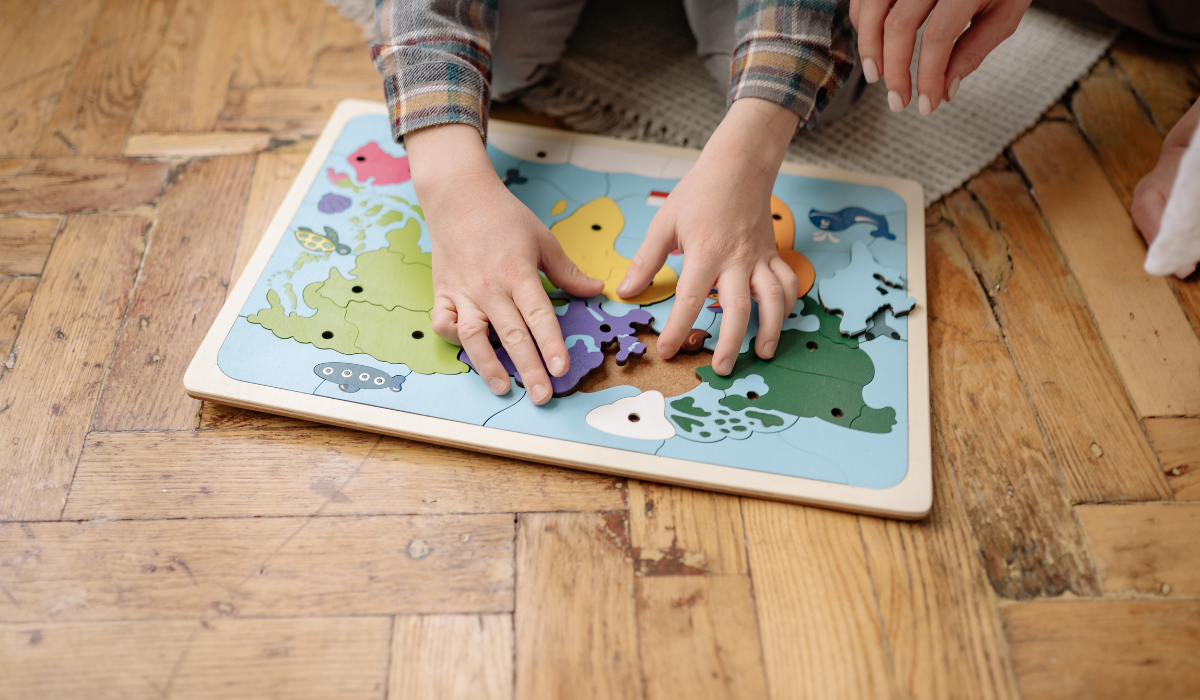 For example, a therapist might work with a child on social skills by having them interact with siblings or parents in a controlled and supportive way. These social skills can then be transferred to other environments, such as school or community settings.
3. Convenience for Families
In-home ABA therapy is also convenient for families. Parents no longer need to take time out of their busy schedules to transport their child to a clinic or therapy center. In-home therapy eliminates travel time, which can be a barrier for many families, particularly those who live in rural areas or have limited access to transportation.
Additionally, therapy can be scheduled at times that work best for the family, providing flexibility and reducing stress. For example, therapy can be scheduled in the evening or on weekends to fit around the family’s other commitments.
In-home therapy also allows parents to be more involved in the process. Parents can observe the sessions, ask questions, and receive direct guidance on how to reinforce the skills being taught. This level of involvement can help parents feel more empowered and engaged in their child’s therapy, which can lead to better long-term results.
4. Focus on Real-Life Skills
In-home ABA therapy provides a unique opportunity to focus on real-life skills that are directly relevant to the child’s daily routine. The therapist can target behaviors and skills that the child needs to thrive at home, such as self-care, communication, and social skills. In addition, they can work on addressing behaviors like tantrums, aggression, or non-compliance in the setting where they most often occur.
For instance, a therapist might work with a child on daily tasks such as brushing teeth, setting the table, or making a snack. These are skills that the child can use right away, and practicing them at home makes the learning process more natural and effective.
By focusing on real-life situations, in-home ABA therapy helps the child build functional skills that can make a positive impact on their daily life, both in and outside of the home.
5. Enhanced Family Involvement
In-home ABA therapy promotes greater involvement from parents and other family members. Parents often feel more connected to the therapy process because they are able to observe sessions and provide input in real-time. Therapists can teach parents how to implement strategies at home to reinforce positive behaviors and reduce problematic ones. This helps ensure consistency between therapy sessions and home life.
Family involvement also extends to siblings and other household members, who may be taught how to interact with the child in ways that support their development. For example, siblings can be involved in social skills practice, or parents can learn how to incorporate behavior reinforcement into daily routines.
This family-centered approach is a key factor in the success of in-home ABA therapy, as it ensures that the child’s progress is supported consistently across all areas of their life.
Conclusion
In-home ABA therapy offers numerous benefits that can help children with autism thrive in their everyday lives. From personalized, one-on-one attention to the comfort of the home environment, in-home ABA therapy is a flexible, convenient, and highly effective treatment option. The ability to target real-life skills, encourage family involvement, and ensure the generalization of skills makes in-home ABA therapy an essential component of a child’s development.
If you are considering ABA therapy for your child, in-home therapy can be an excellent way to support their growth and success in a familiar and supportive environment.
For more information on how in-home ABA therapy can benefit your family, please visit our In-Home ABA Therapy Service.
FAQs
Is in-home ABA therapy covered by insurance?
Yes, many insurance providers, including Medicaid, offer coverage for in-home ABA therapy. It’s important to check with your provider to confirm your coverage options.
How long does an in-home ABA therapy session typically last?
In-home therapy sessions usually last between 1 and 3 hours, depending on the child’s needs. Sessions are typically scheduled multiple times a week for the best results.
How can parents support in-home ABA therapy?
Parents can support therapy by reinforcing positive behaviors at home, practicing the skills taught during sessions, and maintaining consistency in routines. It’s also helpful for parents to stay engaged in the therapy process by asking questions and receiving guidance from the therapist.
What types of skills are taught during in-home ABA therapy?
In-home ABA therapy can target a wide range of skills, including communication, social interactions, daily living skills, academic skills, and behavior management. Therapy can be tailored to address the child’s specific needs.
How do I get started with in-home ABA therapy?
To get started, contact a Board-Certified Behavior Analyst (BCBA) who can assess your child’s needs and create a personalized treatment plan. You can then begin scheduling sessions with a qualified therapist.