
ABA Therapy is a proven, evidence-based method designed to help children with Autism Spectrum Disorder (ASD) develop essential life skills. This approach emphasizes enhancing communication, social interactions, and reducing challenging behaviors through positive reinforcement and structured interventions. While ABA therapy can be provided in different environments, in-home ABA therapy offers distinct advantages, particularly in delivering personalized care within the comfort of a child’s familiar surroundings.
In this comprehensive guide, we’ll explore what in-home ABA therapy is, its benefits, how it works, and how it can help your child grow and thrive.
Key Facts
- What: Applied Behavior Analysis (ABA) therapy delivered in the child’s home rather than a clinic.
- Who delivers it: Board Certified Behavior Analysts (BCBAs) design and supervise treatment plans; Registered Behavior Technicians (RBTs) deliver one-on-one sessions.
- For whom: Children and adolescents with an Autism Spectrum Disorder (ASD) diagnosis: at Samba ABA, ages 2 through 21.
- Where: Samba ABA delivers across Atlanta, Newnan, Marietta, Alpharetta, Roswell, Sandy Springs, Kennesaw, Lawrenceville, and 50+ Georgia communities.
- Why in-home: Skills taught in the natural environment generalise more effectively into the daily routines they need to support.
- What’s included: One-on-one therapy sessions in the home, BCBA assessment and oversight, and integrated parent and caregiver training.
What In-Home ABA Therapy Actually Is
In-home ABA therapy is the same evidence-based clinical methodology used across Applied Behavior Analysis — delivered in the child’s home environment instead of a clinic or centre. The principles are identical: measurable goals, individualised treatment plans, data collection at every session, BCBA supervision, and trained RBT delivery. The setting is what’s different — and the setting matters more than many families realise.
For a child with autism, the skills that matter most — communicating with parents and siblings, managing daily routines, navigating transitions, regulating emotions — are skills they need to use at home, not skills they need to demonstrate in a clinic. In-home ABA therapy teaches those skills in the place they need to take hold, with the people who matter most, in the moments that fill the family’s day.
Samba ABA is a Georgia-based provider that delivers in-home ABA exclusively. Sessions happen in the family’s home. The BCBA conducts the initial assessment in the home. Parent training happens in the home. The model is designed end-to-end around the natural home environment, rather than treating the home as one of several possible settings. For toddlers and young children specifically, see ABA Therapy for Toddlers and Young Children: Early Intervention in the Home.
How In-Home ABA Therapy Works
Every in-home ABA programme follows the same broad shape, even though every child’s plan is individual.
Initial assessment in the home
The process begins with a BCBA-led assessment conducted in the family’s home. The BCBA observes the child in the environment where therapy will take place, talks with parents about goals and concerns, and identifies the specific skills the programme will target. Because the assessment happens in the home, the treatment plan reflects the real environment — not a hypothetical version of it.
Individualised treatment plan
The BCBA writes a treatment plan that is unique to the child. Goals are measurable, prioritised by need and family input, and broken down into teachable steps. Parent and caregiver training is built into the plan from day one — not added later as an extra.
Ongoing one-on-one sessions
A trained Registered Behavior Technician delivers the day-to-day therapy in the home under BCBA supervision. Session frequency and length are determined by clinical recommendation and the family’s authorised hours. The RBT collects data at every session, and the BCBA reviews progress on a defined schedule.
Parent and caregiver training
Parent and caregiver training runs alongside direct therapy. Families learn the evidence-based strategies their child’s RBT uses, so consistent reinforcement holds across the full day, not only during session hours. This is where the in-home setting compounds most: the people who spend the most time with the child are equipped to support every step of progress.
Why the Setting Matters: Generalisation
The clinical term that explains why the home setting matters is generalisation — the process by which a skill learned in one context transfers to other contexts. A child can learn a skill perfectly in a clinic and still struggle to use it at home, because the original learning was tied to the clinic environment.
In-home ABA therapy reduces the generalisation gap. The skill is taught where it needs to be used. The toys, the routines, the family members, the room layouts — all of these become part of the learning. There is no separate transfer step.
Unlike clinic-based providers who teach in a controlled environment and then work to transfer skills home, Samba ABA’s model begins in the home — so the work of generalisation is built into how therapy happens rather than added on at the end.
What Families Can Expect
Families starting in-home ABA therapy with Samba ABA can expect:
- An intake call with the Samba ABA intake team to verify insurance and outline next steps.
- An in-home BCBA assessment to observe the child and design the treatment plan.
- One-on-one in-home sessions delivered by a Registered Behavior Technician under BCBA supervision.
- Ongoing parent and caregiver training, integrated into every programme.
- Regular progress reviews with the BCBA — measurable data, not just impressions.
For a complete walkthrough of how the full process works — from intake through ongoing therapy — see In-Home ABA Therapy in Georgia: A Complete Family Guide.
Benefits of In-Home ABA Therapy
1. Personalized Attention and Tailored Plans
One of the primary benefits of in-home ABA therapy is the level of personalization it offers. The therapist designs a treatment plan specifically for the child, addressing their unique needs, strengths, and challenges. In a home setting, therapists can focus on the specific goals that will have the most significant impact on the child’s daily life. For instance, therapy can target behaviors like improving communication, reducing aggression, or learning daily living skills, which can then be practiced in the context of the home environment.
Additionally, parents can provide valuable insights about their child’s behavior and preferences, allowing the therapist to further personalize the treatment plan to suit the child’s needs.
2. Comfort of the Familiar Environment
For many children with autism, a new or unfamiliar environment can be overwhelming and challenging. In-home therapy reduces the stress that can sometimes accompany traveling to a clinic or therapy center. By staying in a comfortable, familiar setting, the child is likely to feel more at ease, making it easier for them to engage in therapy sessions.
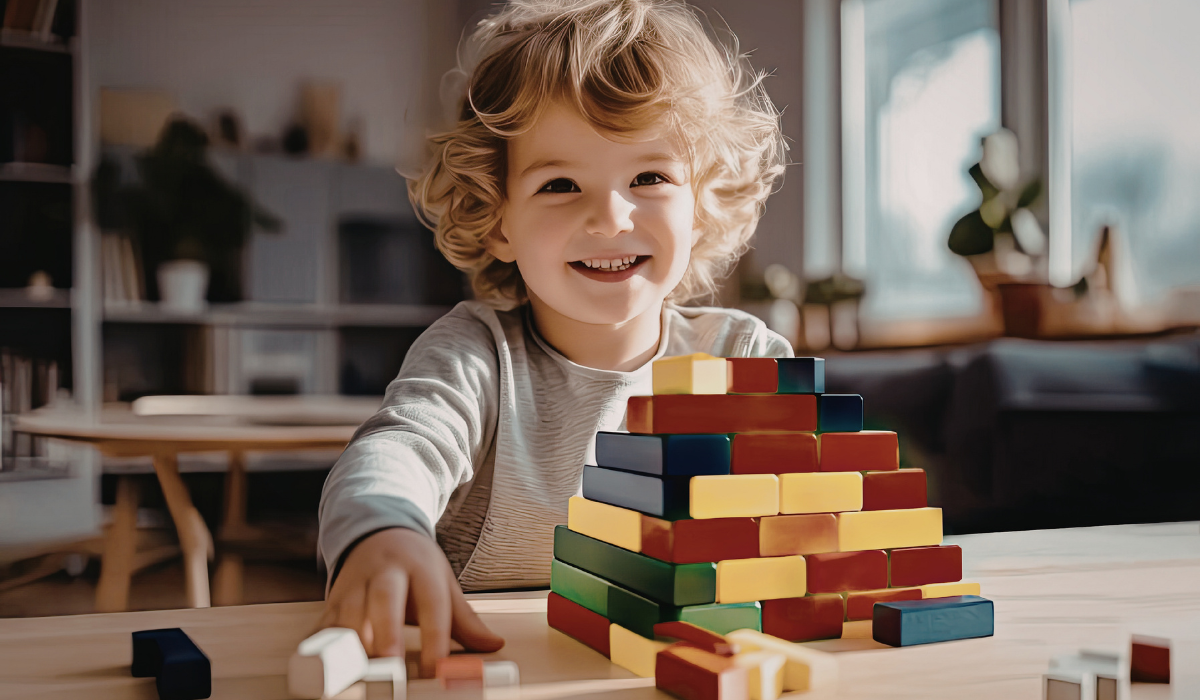 A familiar environment also means that the therapist can assess the child’s behavior in a natural, everyday setting. For example, the therapist can observe how the child interacts with family members, how they navigate household tasks, or how they respond to routine events, allowing them to identify behaviors that may need attention and offering solutions for improvement.
3. Flexibility and Convenience for Families
In-home ABA therapy provides significant flexibility in terms of scheduling. Parents no longer need to factor in the time and energy it takes to travel to a clinic or therapy center. Instead, therapy sessions can be scheduled at times that are most convenient for the family, reducing stress and time constraints. This is especially helpful for families with busy schedules, multiple children, or parents with limited availability.
In addition, in-home therapy eliminates the need for transportation, which can be a challenge for some families, particularly those living in rural areas or with limited access to transportation. In-home therapy allows children to receive the support they need without added logistical burdens.
4. Real-Life Skills Development
In-home ABA therapy offers the opportunity to focus on skills that are directly applicable to the child’s daily life. Whether it’s learning how to communicate effectively with family members, improving social skills with siblings, or mastering self-care routines like brushing teeth or getting dressed, in-home therapy can target skills that are essential for daily functioning.
Therapists can teach new skills in the context of the home, ensuring that the child can practice them in the environment where they will be most frequently used. This helps to reinforce learning and makes it easier for children to generalize skills to other situations.
For example, a therapist might work with a child to improve social skills by having them engage in structured play with siblings, allowing the child to practice conversational skills and cooperation in a natural, low-pressure setting.
5. Family Involvement and Support
In-home ABA therapy encourages family involvement, which is a critical component of a child’s success. Parents and caregivers are often included in therapy sessions, learning how to implement techniques and reinforce positive behaviors at home. This collaborative approach helps ensure that the child’s progress is supported consistently throughout the day.
The therapist may also offer guidance on how to handle challenging behaviors, create supportive routines, and set up the home environment to promote learning and independence. By involving the entire family, in-home therapy helps build a strong support system that is essential for the child’s long-term success.
How In-Home ABA Therapy Works
In-home ABA therapy typically begins with an assessment conducted by a BCBA, who will evaluate the child’s current behaviors, skills, and developmental needs. This initial assessment helps the therapist create a customized treatment plan based on the child’s specific goals.
Once the treatment plan is in place, the therapist will begin working with the child in their home environment. ABA therapy sessions are structured, with each session having a clear goal and objective. For example, the therapist might focus on teaching a child how to request items using a communication device or work on reducing a specific behavior like tantrums.
The therapist uses various techniques to promote positive behavior, such as reinforcement (rewarding desired behaviors) and prompting (providing guidance or cues to encourage desired behaviors). These techniques are adjusted over time to ensure continued progress and adaptation to the child’s changing needs.
Therapists typically track the child’s progress, making adjustments to the treatment plan as necessary. They also communicate regularly with parents, providing updates on progress and offering advice on how to reinforce positive behaviors at home.
Is In-Home ABA Therapy Right for My Child?
In-home ABA therapy can be a great fit for many children, but it’s important to assess whether it aligns with your child’s needs. Some children may benefit more from in-clinic therapy, while others may find in-home therapy more conducive to their learning.
Before starting in-home ABA therapy, it’s important to consult with a BCBA or other qualified professional who can conduct an initial assessment and help you determine whether in-home therapy is the best option. In-home therapy is especially beneficial for children who are younger, have trouble transitioning to new environments, or need a highly personalized treatment plan.
Conclusion
In-home ABA therapy offers numerous advantages for children with autism, including personalized treatment, a familiar and comfortable environment, flexibility, and family involvement. It’s an effective and practical approach to improving essential life skills, enhancing communication, and reducing challenging behaviors. If you’re considering ABA therapy for your child, in-home therapy could be an ideal solution for helping them reach their full potential.
For more information about in-home ABA therapy and how it can benefit your family, please visit at In-Home ABA Therapy.
Frequently Asked Questions
Is in-home ABA therapy the same as clinic-based ABA therapy?
In-home and clinic-based ABA therapy use the same evidence-based methodology — BCBA-supervised, RBT-delivered, individualised treatment plans, data-driven progress. The difference is the setting. In-home ABA is delivered in the child’s home, where skills can be taught in the environment they need to support. Clinic-based ABA is delivered in a centre and requires an additional transfer step to apply skills to the home setting. For a full comparison, see In-Home vs Clinic-Based ABA Therapy.
Does in-home ABA therapy work for children of all ages?
Samba ABA delivers in-home ABA therapy for children and adolescents aged 2 through 21. The structure of the programme — naturalistic teaching, parent and caregiver involvement, BCBA supervision — adapts to the child’s developmental stage. Early intervention for toddlers looks different from goal-setting for adolescents, but the underlying delivery model is consistent.
How is in-home ABA therapy paid for in Georgia?
Georgia Medicaid (Wellpoint, CareSource) and major private insurers (Blue Cross Blue Shield, Anthem, Alliant) cover in-home ABA therapy for children with an ASD diagnosis, subject to prior authorisation and medical necessity. For a full coverage breakdown, see Does Georgia Medicaid Cover ABA Therapy?.
Do parents need to be involved in in-home sessions?
Yes — parent and caregiver involvement is part of how in-home ABA works. A parent or caregiver typically needs to be present in the home during sessions (particularly for younger children), and parent training is built into every Samba ABA programme. Families are partners in their child’s progress, not bystanders.
How long does in-home ABA therapy last?
Programme length is individual. Some children work toward focused short-term goals; others receive ongoing comprehensive programmes over multiple years. The BCBA reviews progress regularly and adjusts the plan as the child grows. Samba ABA does not predetermine an end date — therapy continues for as long as it produces measurable benefit and the family chooses to continue.
Starting In-Home ABA Therapy With Samba ABA
Samba ABA delivers one-on-one in-home ABA therapy across Georgia, supervised by Board Certified Behavior Analysts, with parent and caregiver training integrated into every programme. Coverage is supported through Georgia Medicaid and major private insurers.
Ready to start? Schedule an intake call with Samba ABA and the team will verify your coverage and outline the path to your child’s in-home BCBA assessment on the first conversation.